
At the Guochao Annual Conference in Xuhui District, Shanghai, Dayun Meici was invited to showcase its new collection.

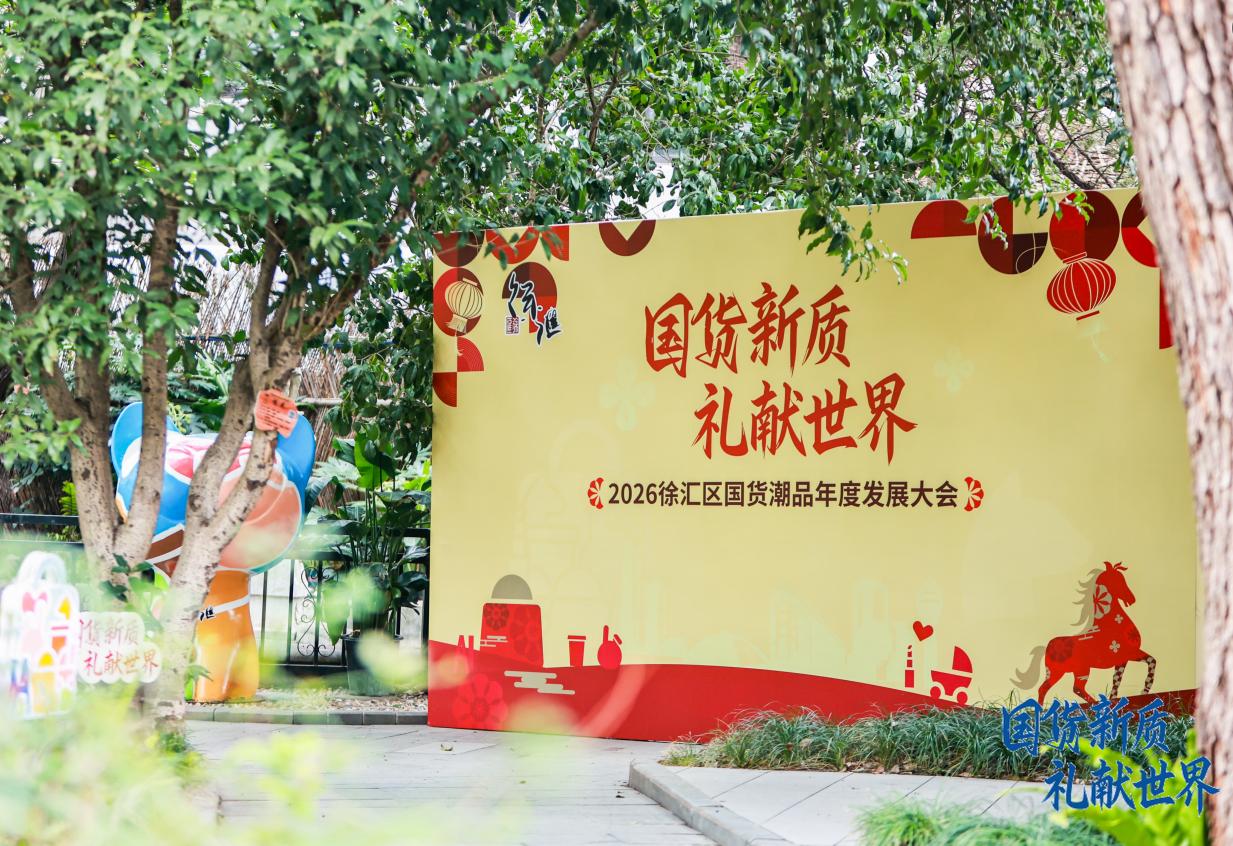
On the afternoon of March 6, 2026, the Annual Development Conference for Domestic Trendy Products in Xuhui District, Shanghai, was held at Shengjia Garden on Hengshan Road. Approximately a hundred representatives from government departments, domestic brands, investment institutions, and professional service organizations gathered at the event to jointly explore development opportunities for Chinese consumer brands.
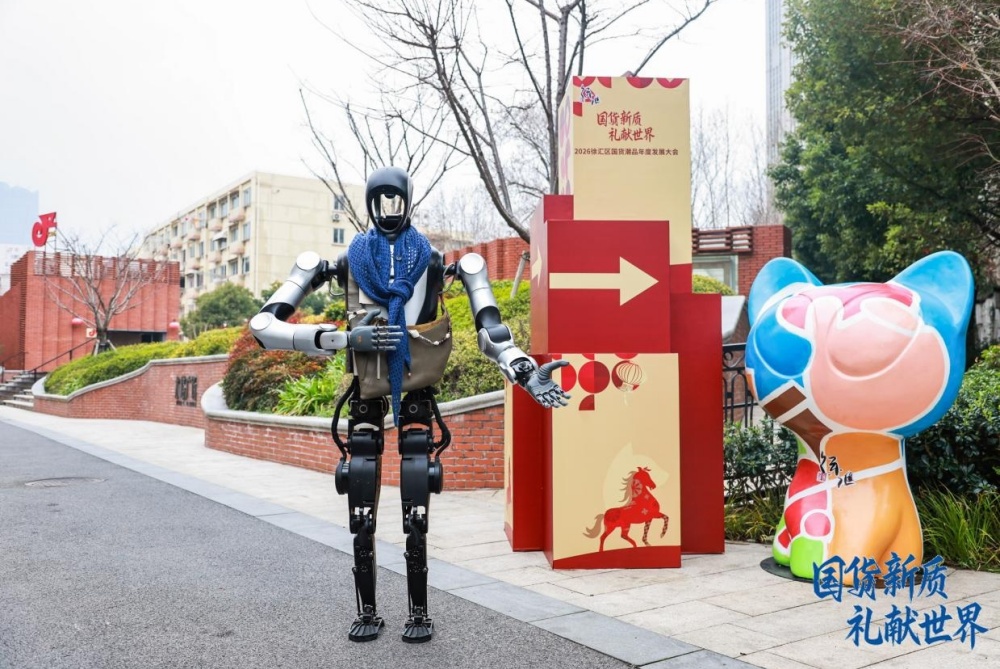
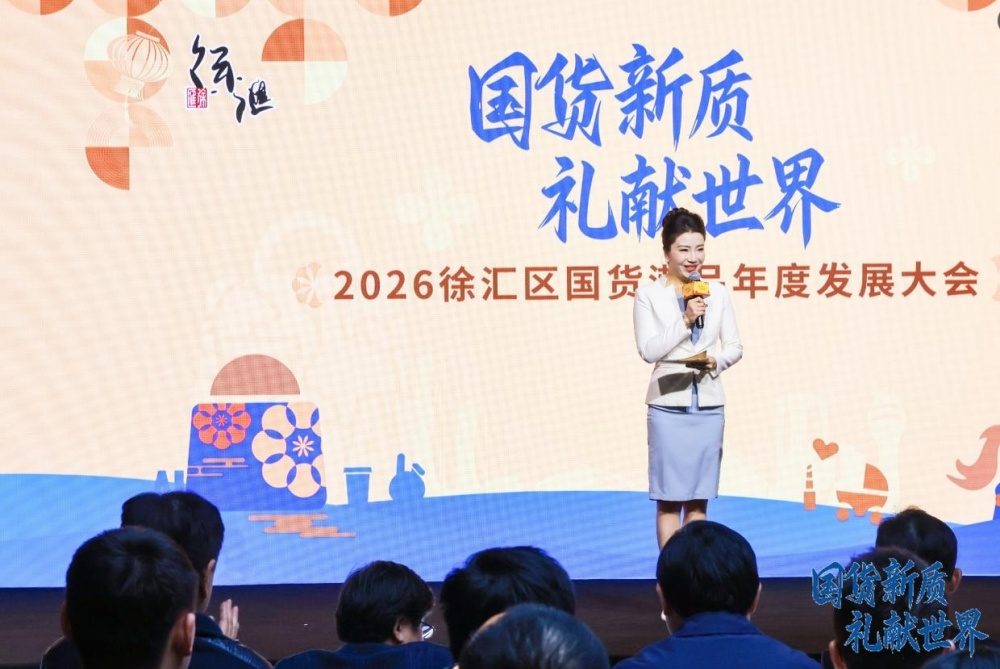
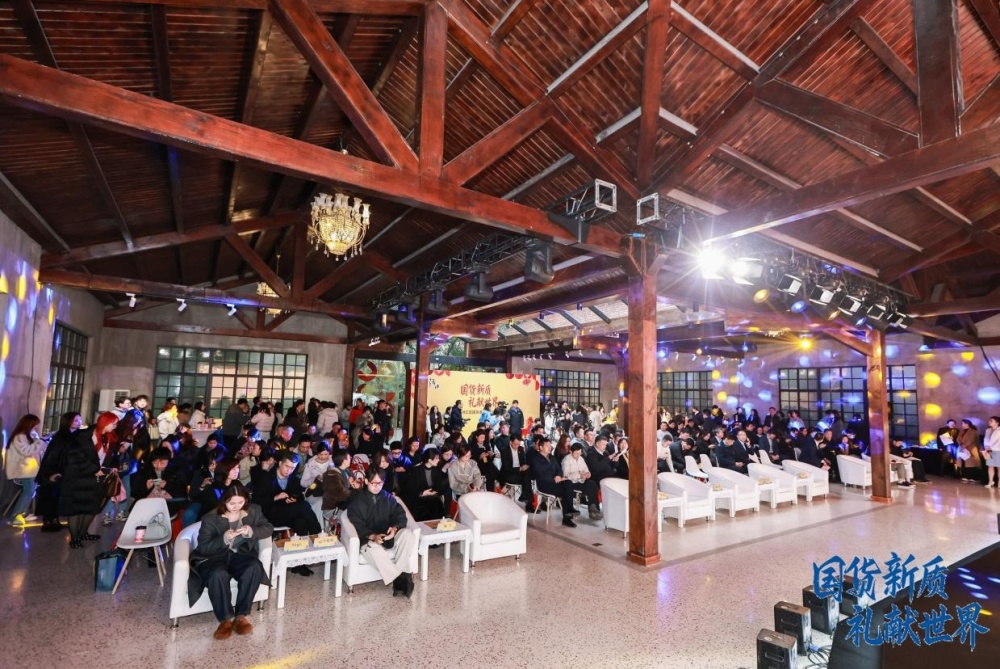
The conference serves as a milestone in Xuhui District, Shanghai’s recent efforts to promote the development of Guochao brands. As early as April 2025, the district proposed a three-year plan to attract over a hundred domestic brand enterprises, aiming to build a more comprehensive industrial ecosystem centered on consumer goods growth and support domestic brands in brand development, intelligent transformation, and global expansion.
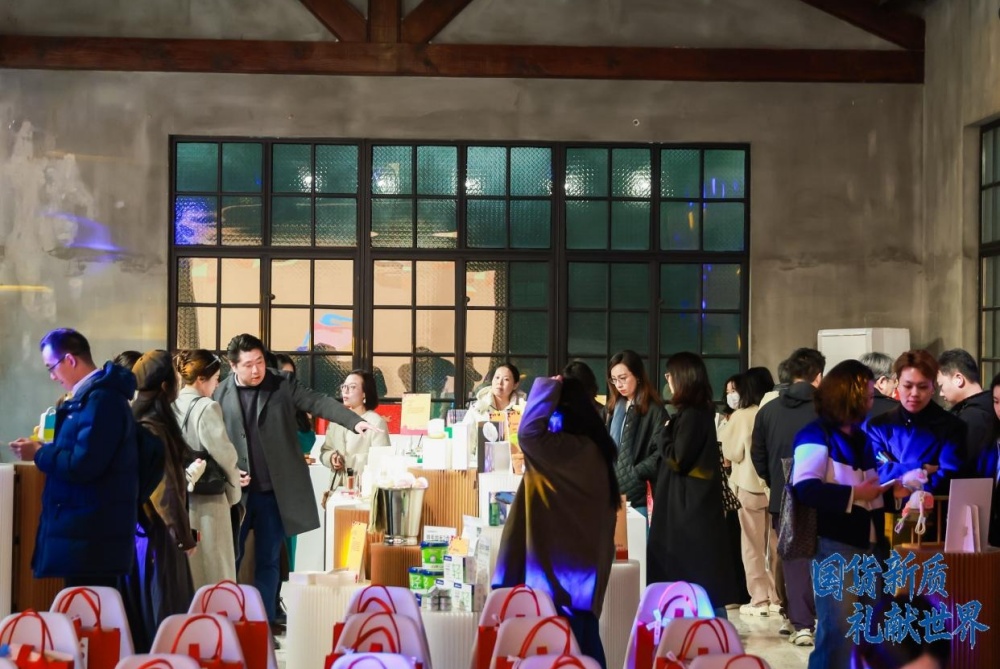
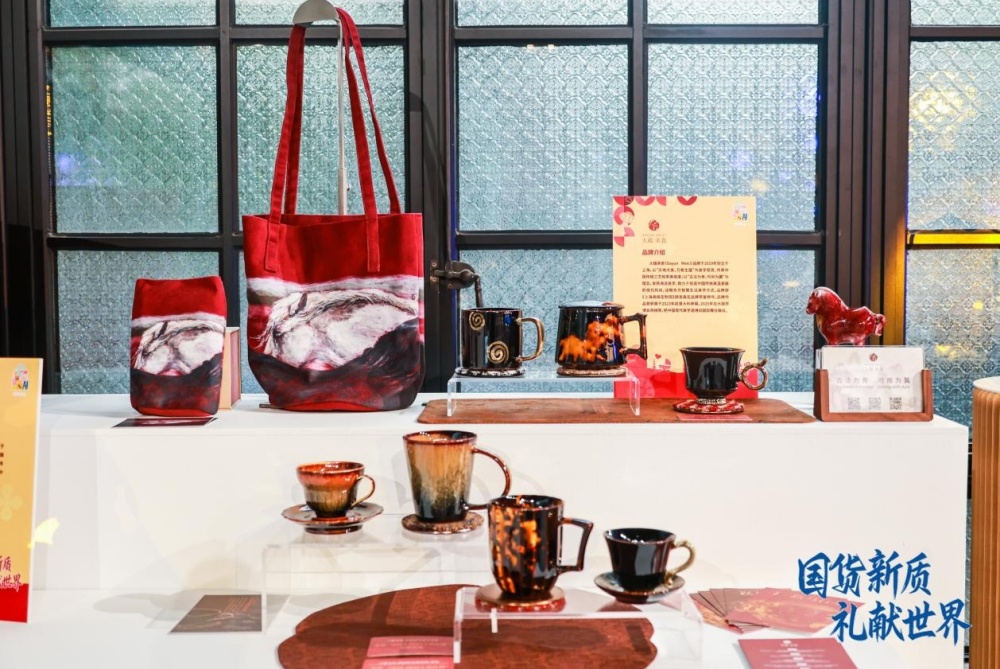
A brand exhibition area was set up at the conference, inviting representative Guochao brands from Xuhui District to showcase their works. Among them, the works displayed by the Shanghai-style ceramic brand “Dayun Meici,” founded in Shanghai, garnered significant attention for their fashionable appearance and modern design. Since its establishment, Dayun Meici has adhered to the philosophy of creating fashionable ceramics with Shanghai-style aesthetics, making it China’s first high-temperature porcelain fashion brand. Brand founder Zhang Xiaoxuan introduced, “As a Shanghai-based brand, we aim to embody the essence of Shanghai-style elegance. The core of our creations lies in the inheritance and innovation of traditional Chinese culture. We adhere to the ancient high-temperature porcelain technique using raw mineral glazes, refine the aesthetic elegance of the Song Dynasty, and express the innate beauty and creative fashion of the objects through the ‘body, form, and glaze’ of porcelain.”
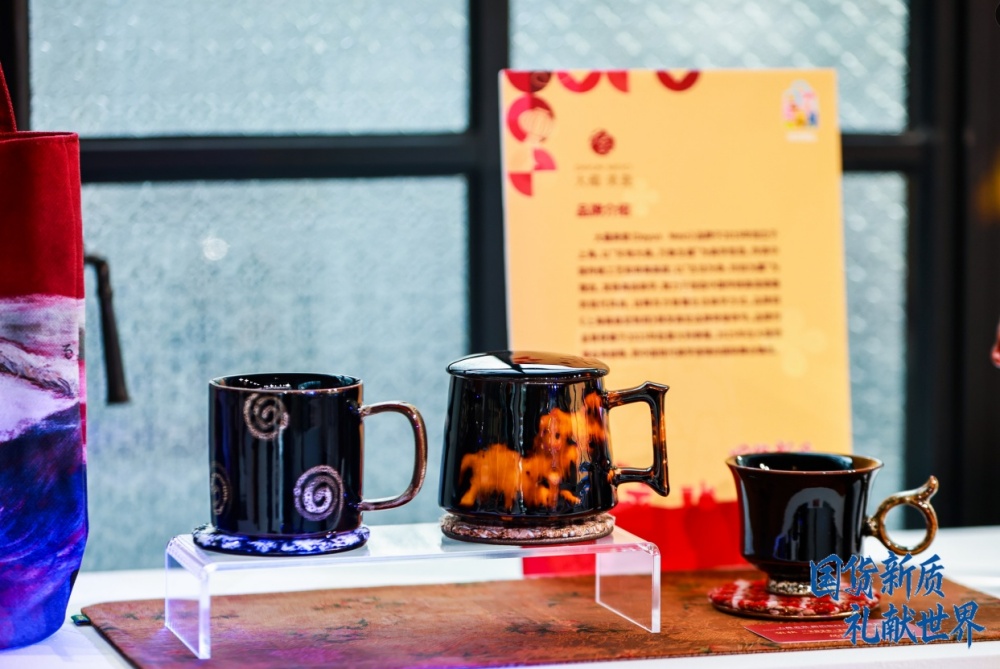
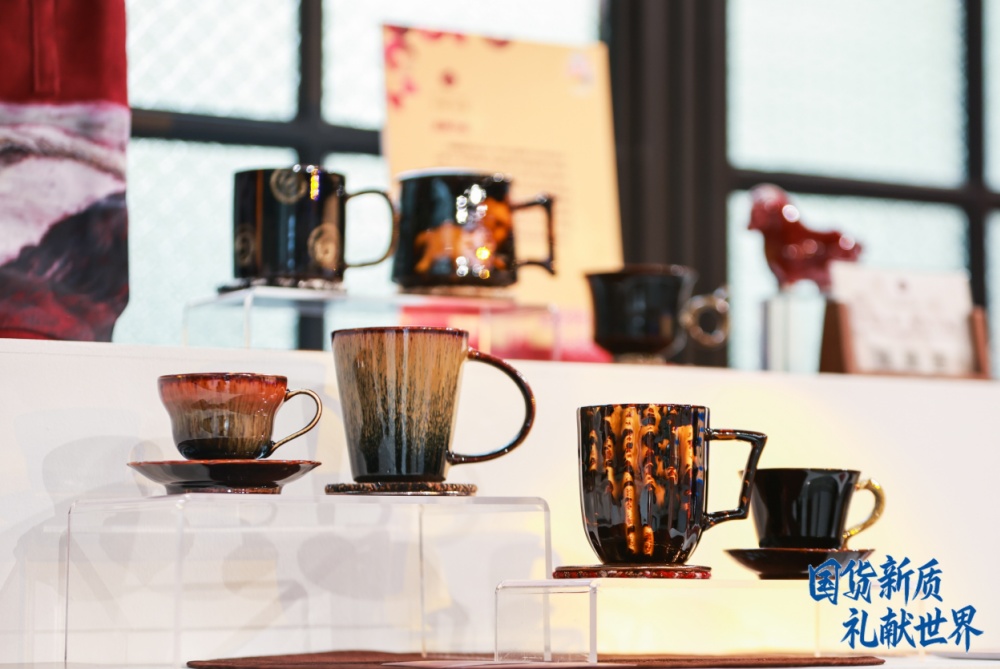
Meanwhile, as a council member of the Shanghai International Fashion Federation, the Dayun brand was certified as a haute couture brand by Shanghai Haute Couture Week in 2023 for its fashion aesthetics and high-end craftsmanship. This invitation to participate in the Xuhui District Guochao Annual Conference allowed the brand to showcase the aesthetic expression of Shanghai’s haute couture ceramics while also exploring opportunities for interaction and cross-disciplinary collaboration with other attending Guochao brands. Brand founder Zhang Xiaoxuan believes that the trend toward premiumization of intangible cultural heritage is gaining momentum. Last year, the brand introduced refined wheat-straw painting—a非遗 (intangible cultural heritage) art form—into the high-end market through its art segment. She expects such recognition to become more widespread in the future, noting that excellent craftsmanship requires high-quality cross-disciplinary collaboration. Dayun Meici exemplifies how非遗 high-end porcelain techniques can be revitalized through fashion. “We aim to meet increasingly elevated aesthetic demands, which serve as an ongoing source of creative inspiration. We hope to collaborate with more Guochao brands to achieve synergistic effects where one plus one is greater than two,” she added.
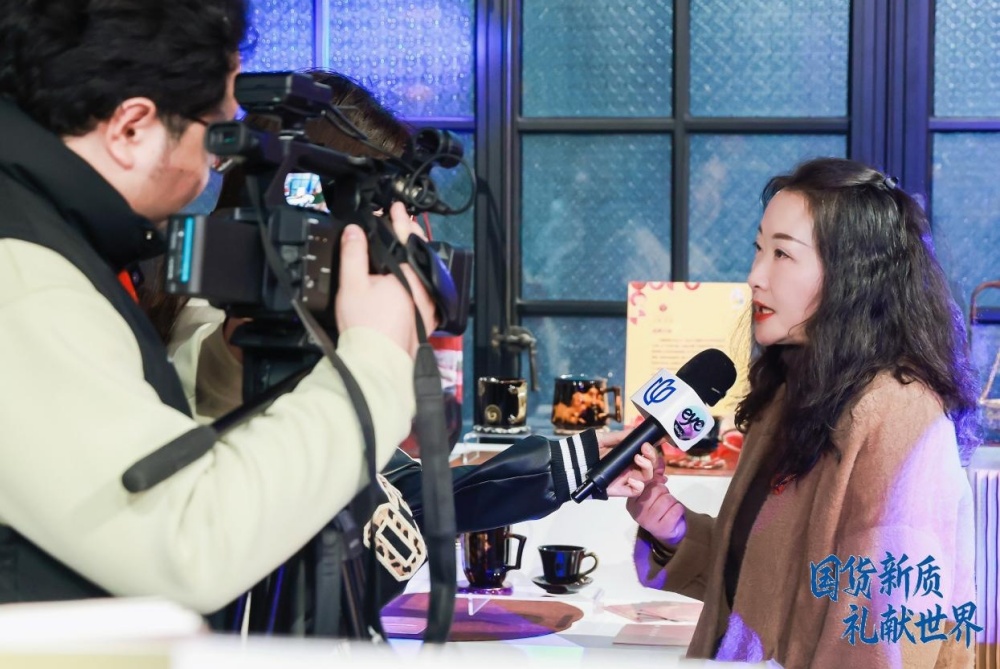
The Guochao support plan launched at the Xuhui District conference is set against the backdrop of structural changes unfolding within Chinese consumer brands. With continuous improvements in design capabilities, supply chain efficiency, and brand storytelling, domestic Chinese brands are gradually transitioning from “substitutive consumption” to “value-based consumption.” In recent years, Chinese consumer brands have sustained growth across multiple sectors—from beauty and apparel to trendy toys and food—steadily building stronger competitiveness in design, quality, and cultural expression. At the same time, urban districts are rethinking their role in the consumer industry, positioning themselves not only as providers of commercial spaces but also as supporters of brand growth.
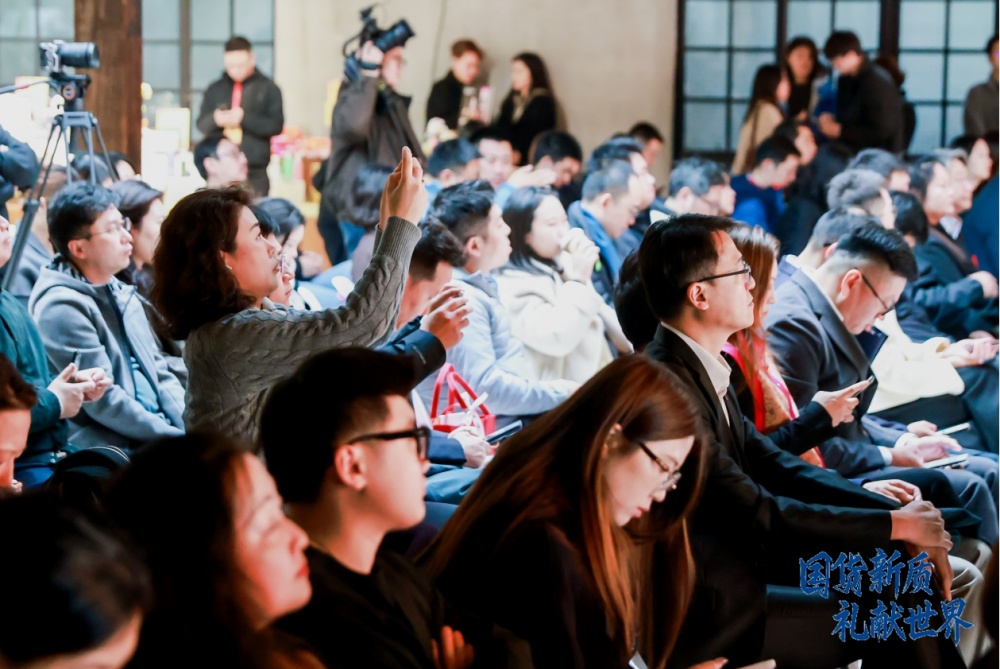
More importantly, Xuhui District has amassed a high density of resources across the consumer brand industrial chain. On one hand, the area concentrates a wealth of service resources for the consumer industry, including design agencies, content platforms, consulting firms, and capital institutions. On the other hand, commercial and cultural spaces such as the Hengfu Historical and Cultural Area, Xujiahui commercial district, and the West Bund provide physical venues for brand presentation and operation. For many new consumer brands, these resources often translate into a more efficient brand propagation environment and a more mature consumer market.
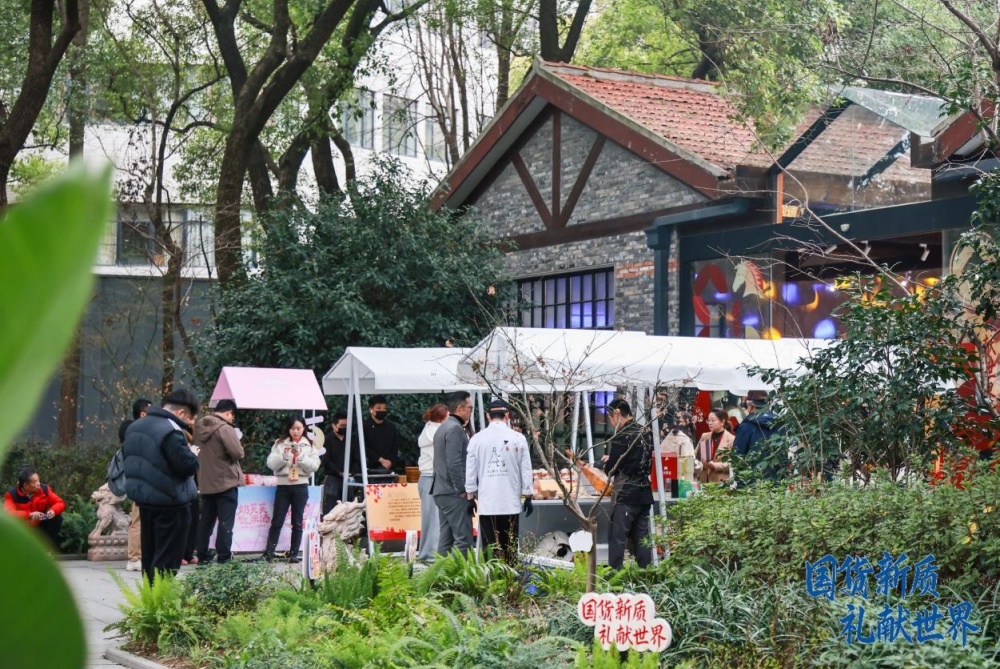
Against the backdrop of the Guochao support plan launched by Xuhui District, Shanghai, domestic trendsetting brands have gained both impetus and confidence to look toward the global market.